Grief and Loss
The Stages of Grief
Not everyone experiences grief and loss in the exact same way, so the idea of the stages of grief represents a movement towards healing. Learning more about these stages can be very comforting for someone lost in despair.
When it comes to bereavement in particular, the stages of grief may appear reasonable. However, to expect someone’s feelings to be neatly arranged into specific stage of grief recovery is simply not realistic.
There is no right or wrong way to grieve. Each person grieves differently, and their reactions to grief and bereavement will also vary greatly. There should never be any pressure for someone to grieve in a certain manner or according to a chart found in a text book.

Bereavement is a very personal matter. The age of the person mourning the loss of a loved one or friend, and the relationship they had with that person, can significantly affect the severity of the grief they may experience. Also relevant may be the amount of time or experience an individual has with the grieving process. The grieving process is very different for an older man who has suffered a loss in his life than it is for a young child who may be grieving the loss of a parent.
The personal elements regarding bereavement are too numerous to cover. But to consider the wide range of emotions and situations should reaffirm the notion that grief feelings will manifest themselves differently in all of us. So it is important that we do not assume the process of bereavement will follow any particular path.
Stages of Grief
Many grief counselors use the five stages of grief to help categorize the expected feelings one may experience during episodic grief. However, it is important to keep in mind these stages are not a science for each person, and should only serve as a “loose guide” at best. The five stages of grief are Denial, Anger, Guilt, Depression and Acceptance.
- Denial – When the bereaved denies that the loss has actually occurred. This is at the initial time of loss, when we cannot believe what has actually happened.
- Anger – The second stage is anger, when our grief causes us to be angry at the person we are grieving, or angry at the situation that put us into grief. The bereaved may even focus anger toward themselves.
- Bargaining – This stage is when the bereaved tries to bargain with God or themselves to make the deceased reappear.
- Depression – Depression is anger turned toward ourselves, causes us to feel powerless and helpless over our grief. We can also be fearful about what the future will be like without a significant person in our lives. When the bereaved takes on the physical results of the mental strain from grieving, depression can often surface. Depression is a time of extreme sadness and hopelessness.
- Acceptance – This stage is when the bereaved reaches the theoretical “end” of the grieving process. We begin to realize that the loss is real, and accept the fact that they must move on in some way. Acceptance does not mean we forget or ignore our grief and loss. Rather, we accept our situation and begin to rebuild our lives.
Grief is a Process
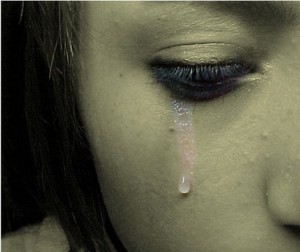
There is no such thing as building on these stages of grief in any sort of sequential order. For most people, these stages will come and go naturally over time. Through the process of grief counseling, you will be guided through these five stages of grief, and also learn some skills to help you in coping with loss. But it important to keep in mind that there should not be time constraints or pressures regarding strict adherence to the stages. It is simply not realistic to believe our emotions can be neatly packaged into categories during periods of grief.
Additional Information About Grief and Loss:
Grief Message Boards
Loss of a Child
Loss of a Parent
Loss of a Pet
Loss of a Sibling
Loss of a Spouse